Should OTTBs Be Given Time Off — or Restarted Right Away?
When a Thoroughbred comes off the track, what’s the right next step — months of pasture time to decompress, or a structured restart to keep their mind and body engaged? It’s one of the most debated questions in the OTTB world, and both sides make a strong case.
By Neighh Team ·
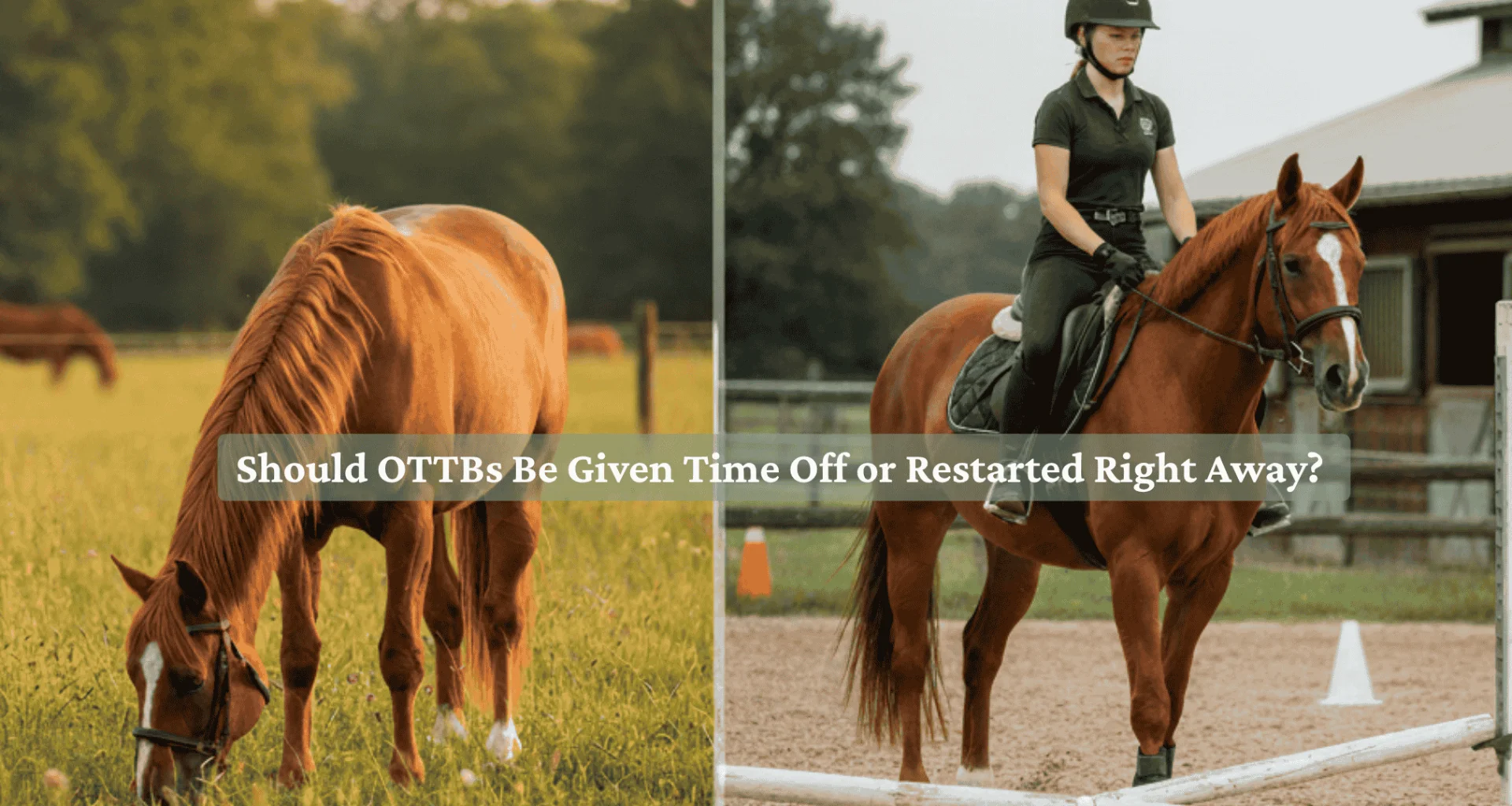
When a Thoroughbred’s racing career ends, their second act begins — but how that transition unfolds can look very different depending on who you ask.
Some believe a horse fresh off the track needs time to just be a horse again: to live outside, reset mentally, and let muscles and joints recover from the rigors of training. Others argue that structure and consistency are what these horses crave most, and that starting retraining right away helps them adapt faster to a new lifestyle.
So, who’s right? Maybe both.
The Case for Time Off
Horses coming off the track have lived a highly regimented life — stalls, gallops, and grain at the same time every day. When that ends, their entire world shifts. Turnout, new herd dynamics, new feed, new footing — it’s a lot to process.
Supporters of downtime often point to:
Mental decompression: Allowing horses to unwind from the sensory overload of the racetrack.
Physical healing: Addressing body soreness, ulcers, or micro-injuries that may not be visible right away.
Natural balance: Giving horses a chance to move freely and strengthen muscles without a rider’s weight.
For some OTTBs, three to six months of turnout can make all the difference in their future success and soundness.
The Case for a Quick Restart
On the other hand, many trainers find that OTTBs actually thrive with purpose. These horses are bred to work — and when they suddenly have no job, boredom and anxiety can set in.
Those in favor of a quick restart often highlight:
Mental focus: Structure gives them something familiar — routine and direction.
Muscle maintenance: Light, low-stress riding helps maintain condition and prevent stiffness.
Easier transitions: Horses learn what’s expected of them before they pick up bad habits during extended downtime.
Some trainers begin gentle retraining within weeks — focusing on groundwork, turnout, and hacking, rather than formal flatwork or jumping.
The Real Answer: It Depends
Like most things in horsemanship, the right answer depends on the horse standing in front of you.
Some OTTBs walk off the trailer ready to work — curious, engaged, eager to please. Others need months to adjust before they can mentally handle new expectations. Factors like their racing history, temperament, and overall health all play a role.
Whether you give your OTTB time off or restart right away, the key is listening — to their body, their energy, and their mind.
Because at the end of the day, the goal is the same: helping each Thoroughbred find their balance, their confidence, and their forever home.
💬 We’d love to hear your thoughts
Do you prefer downtime or a structured restart for your OTTBs? What’s worked (or not worked) in your experience? Share your stories — and photos — in the comments below or tag us @neighh on Facebook.
Tags: OTTB, Thoroughbred, Horse Training, Restarting, Off-Track Thoroughbreds, Horse Rehab, Equestrian Life, Horse Behavior, Neighh Blog, Horse Market, Horse Welfare