The True Cost of Buying a Horse: What New Owners Need to Know
Thinking about buying your first horse? Learn what it really costs — from purchase price to board, vet care, and unexpected expenses. Plan smart and give your new partner the best life possible.
By Neighh Team ·
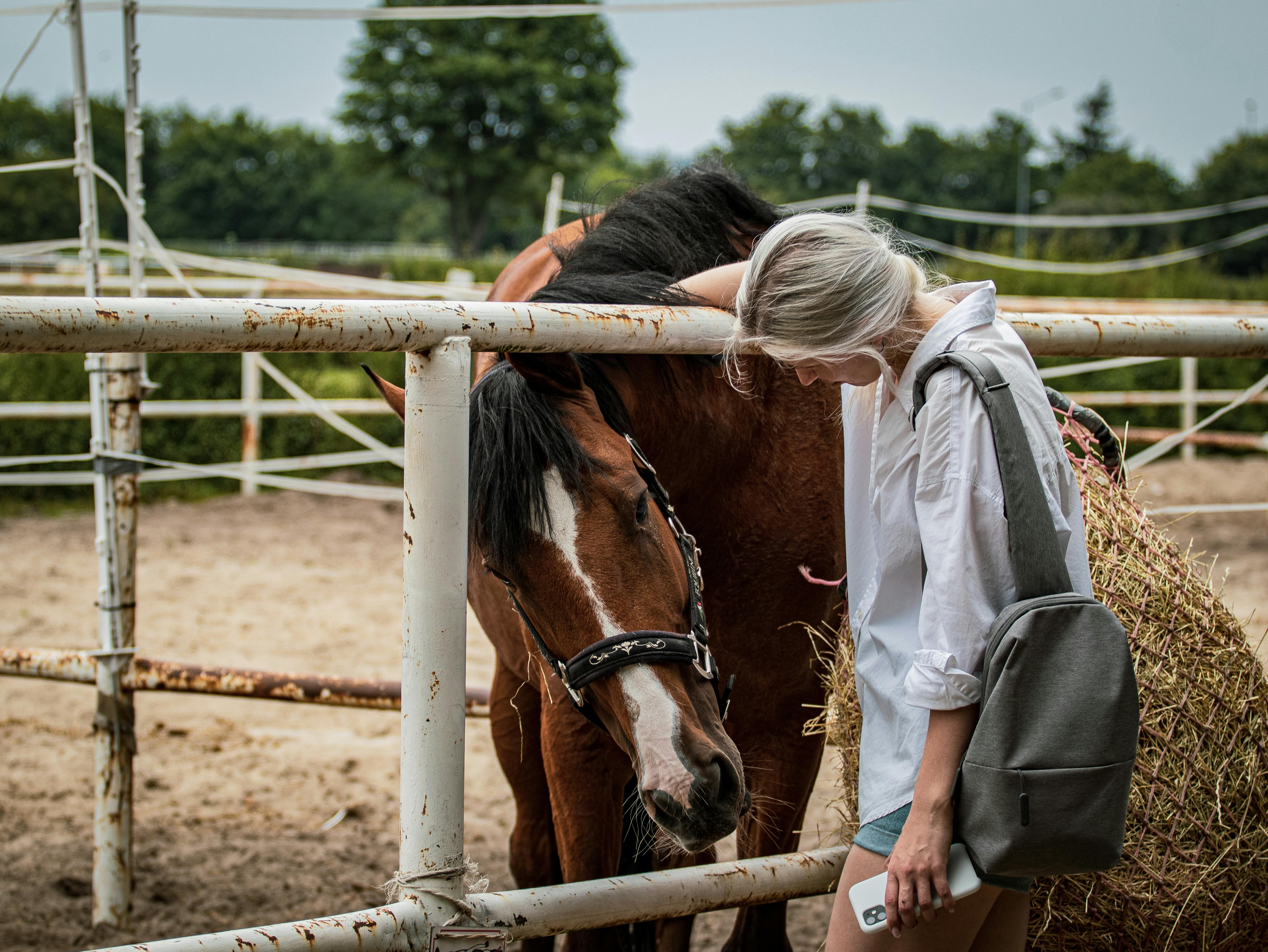
Buying a horse is an adventure like no other — but for first-time owners, the real cost often comes as a surprise.
From the price tag on your dream partner to everyday care, the true cost of owning a horse is about more than what’s written on a bill of sale. In this guide, we’ll break down what you actually need to budget for, so you can plan wisely and give your new horse the best life possible.
💸 Why It Matters
Horses are incredible partners — but they’re a huge responsibility too.
Knowing what you’re getting into helps you:
✅ Avoid nasty surprises
✅ Make better buying decisions
✅ Keep your horse healthy and happy for years to come
🏷️ 1. The Purchase Price
The obvious first cost is what you’ll pay upfront for the horse.
What affects price?
Age, breed, and training level
Show record or bloodlines
Soundness and maintenance
Seller’s reputation
Example: A green OTTB (off-track Thoroughbred) might cost $2,500–$5,000. A competitive A-circuit hunter could run $25,000–$100,000+.
Most first-time buyers spend $5,000–$20,000 for a suitable amateur-friendly horse.
✅ Tip: Always budget for a pre-purchase exam (PPE) before you pay — this can save you thousands in surprises.
🏥 2. Vetting & Initial Costs
A good PPE ($500–$2,000) is your first expense.
You might also want:
Updated vaccinations ($100–$300)
Coggins test if crossing state lines ($30–$50)
New tack that actually fits ($500–$3,000)
🐴 3. Boarding or Keeping at Home
Where you keep your horse is often your biggest ongoing cost.
✅ Full Board (stall): $500–$2,500/month, depending on location and amenities.
✅ Pasture Board: $200–$800/month — less expensive but not always ideal for every horse.
✅ Keeping at Home: You’ll need fencing, shelter, hay storage, and all daily chores. Costs add up fast when you factor in repairs, bedding, hay, and equipment.
🌾 4. Feeding & Supplements
Average horse eats 1.5–2% of body weight in forage daily.
Hay: $1,000–$3,000/year depending on region and quality.
Grain & supplements: $50–$200/month.
✅ Tip: Buy good hay — cutting corners here means paying for vet bills later.
🦷 5. Routine Vet & Farrier Care
Healthy horses still need regular care!
Farrier: $50–$300 every 6–8 weeks (trim vs. full shoes)
Dental floating: $100–$300 annually
Vaccinations/deworming: $150–$500/year
🏆 6. Lessons, Training & Showing (Optional)
Most new owners budget $200–$1,000/month for lessons or a training program.
Showing? Costs can skyrocket:
Entry fees, hauling, stabling, coaching, hotel — easily $500–$2,000/weekend.
✅ Tip: Talk to your trainer about realistic goals. Not every owner wants to show — but lessons keep you and your horse progressing safely.
⚡️ 7. Emergency Fund
Every horse owner should have $1,000–$5,000 set aside for emergencies.
Colic surgery, for example, can run $5,000–$10,000+.
Horse insurance is also worth considering if your horse’s value or your peace of mind justifies it.
🏷️ Sample First-Year Breakdown
Cost Type
Estimated Range
Purchase Price
$5,000–$20,000
Pre-Purchase Exam
$500–$2,000
Board (12 months)
$2,400–$30,000+
Feed & Supplements
$1,000–$2,500/year
Routine Vet/Farrier
$800–$2,500/year
Tack & Equipment
$500–$3,000 (one-time)
Lessons/Training
$2,400–$12,000/year
Emergency Fund
$1,000–$5,000 (recommended)
🤝 Key Takeaway
Owning a horse is priceless — but it’s never free.
Plan for real costs so you and your new partner can enjoy the journey without unexpected stress.
✅ Be realistic about your budget.
✅ Prioritize good care over cutting corners.
✅ Talk with your trainer and barn manager — they’ve seen it all.
📣 Ready to Find Your Next Partner?
When you know what to budget for, you can shop smart — and match with the right horse for you.
Browse real, honest listings on Neighh to start your search.
Tags: buying a horse, horses